Not All Quartzite Is the Same: Hardness, Porosity and Care Explained
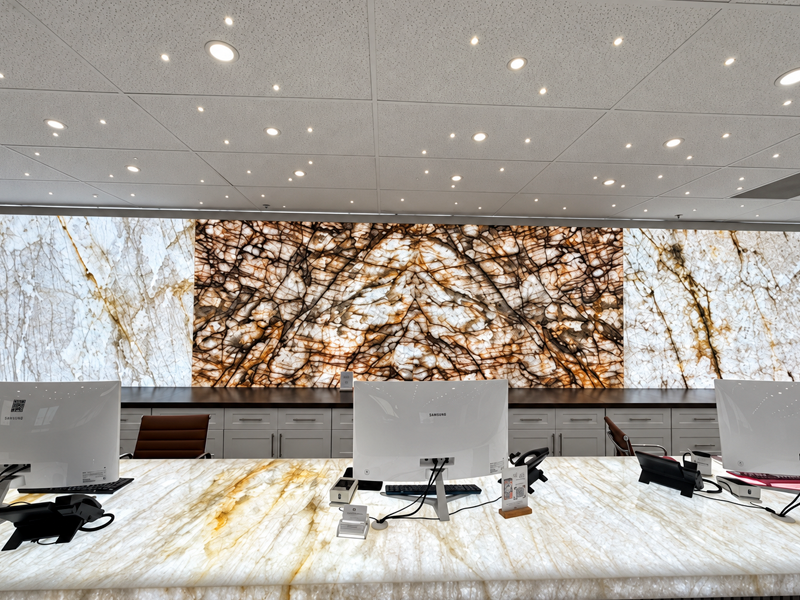
Quartzite has earned a reputation as one of the toughest natural stones for countertops, and for good reason. But “quartzite” is a family of stones, not a guarantee. Hardness, porosity, stain resistance and maintenance can vary a lot from one slab to another, and some stones sold as quartzite behave more like marble in daily use. That’s why at Bolder Image Stone, we don’t stop at the name on the label. We guide every client through the specific characteristics of the stone they’re choosing, so there are no surprises after installation. Here’s what you need to know. What Is Quartzite, Really? Quartzite is a metamorphic rock. It starts as quartz-rich sandstone and, over millions of years, heat and pressure fuse the quartz grains into a dense, crystalline stone. Quartz is one of the hardest common minerals, rating 7 on the Mohs hardness scale, which is why true quartzite is known for resisting scratches and holding up well in busy kitchens. Don’t confuse quartzite with quartz. Quartz countertops are an engineered surface made from crushed quartz bonded with resins and pigments. Quartzite is 100% natural stone, cut directly from the quarry. Why Not Every “Quartzite” Performs the Same Natural stone doesn’t come with a standard formula. Two slabs can both be called quartzite and still differ in: This is where the term “soft quartzite” comes from. It’s often used for stones sold as quartzite that contain enough calcite or dolomite to behave differently: they may scratch more easily and can etch when exposed to acids. They can still be beautiful, durable choices, as long as you know what you’re buying and how to care for it. The opposite happens too. Some stones sold under other categories perform closer to quartzite than their label suggests. In the end, the commercial name matters less than the stone’s actual characteristics. Hardness and Scratch Resistance True quartzite is harder than glass and harder than most kitchen knives, so everyday scratches are rarely an issue. Stones with a higher calcite or dolomite content are softer and can show fine scratches over time, especially on polished finishes. Even with hard quartzite, cutting directly on the countertop isn’t a good idea. It won’t hurt the stone much, but it will dull your knives quickly. Porosity and Absorption All natural stone has some level of porosity, and quartzite is no exception. Dense quartzites absorb very little, while others have a more open structure and can absorb oils or colored liquids if left on the surface for too long. That’s why “is quartzite porous?” doesn’t have a single answer. It depends on the specific stone, and even on the slab. This is one of the first things we review with clients, because it directly affects how the countertop will age. Staining vs. Etching: The Difference Few People Explain These two problems are often confused, but they’re completely different: True quartzite doesn’t etch, since quartz doesn’t react to common kitchen acids. If a stone sold as quartzite etches, it contains calcite or dolomite. That’s not necessarily a deal breaker, but it changes how you should use and maintain your countertop. Does Quartzite Need to Be Sealed? In most cases, yes, sealing is recommended, but how often depends on the stone. Very dense quartzites may need sealing only occasionally, while more porous ones benefit from a more regular schedule. A simple way to check is the water test: place a few drops of water on the countertop and wait a few minutes. If the stone darkens under the drops, it’s absorbing water and it’s time to seal. If the water beads up and the stone stays the same color, the sealer is still working. Which Quartzite Works Best for Each Space? Busy kitchens and islands. Look for a dense, true quartzite that passes both the glass and acid tests. It’s the best fit for families who cook every day and don’t want to worry about lemon or wine spills. Bathrooms and vanities. There’s more flexibility here. Softer stones can work well, since bathrooms usually see fewer acids and less heavy use. Just keep in mind that some cosmetics and cleaning products can be acidic. Outdoor kitchens. Arizona’s sun and heat are demanding. Dense natural stone is a strong option outdoors, but porosity matters even more here, and a honed or leathered finish can help reduce glare and hide wear. Waterfall islands and full-height backsplashes. Quartzite’s dramatic veining makes it a favorite for these designs. Remember that quartzite is harder to cut and fabricate, so choose a slab that suits the layout and work with an experienced fabricator. Choose the Stone, Not Just the Name Quartzite can be one of the best investments you make in your home, as long as the slab you choose matches the way you live. At Bolder Image Stone, we help you understand the hardness, absorption, durability and care needs of each stone before you decide, so you can choose with confidence and enjoy your countertop for years. Explore our Natural Stone collection and Single Slabs before your visit. Want to learn more about quartzite? Watch our YouTube video about quartzite to learn more about the material. Still have questions about a specific quartzite? Get in touch with our team or schedule a visit to our Phoenix showroom. We’ll be happy to help you find the right material for your project. Frequently Asked Questions Is quartzite durable? True quartzite is one of the most durable natural stones for countertops. It resists scratches, handles heat well and doesn’t etch with common kitchen acids. Durability varies by slab, though, so it’s important to know the characteristics of the specific stone you choose. Is quartzite porous? Yes, all natural stone has some porosity. Some quartzites are very dense and absorb little, while others absorb more. Sealing helps protect against stains. Does quartzite stain? Quartzite can stain if oils or colored liquids are left on a porous or unsealed surface. Wiping spills quickly and keeping the stone sealed greatly reduces the
Best Countertop Materials for Kitchen: Quartz, Granite or Quartzite?
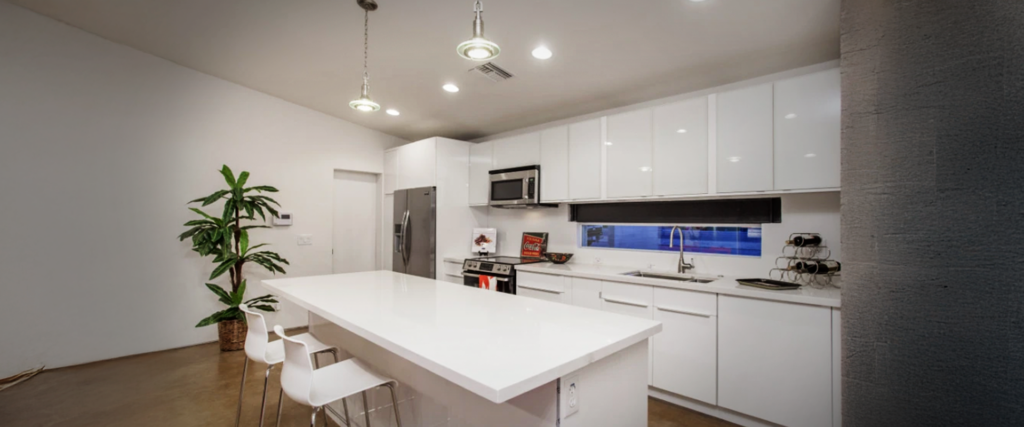
The best materials for kitchen countertops depend on your routine, style preferences, and desired level of maintenance. In this guide, we compare quartz, granite, and quartzite to help you make a more confident choice.
Onyx Stone: colors, uses, and how to choose the right option for your project
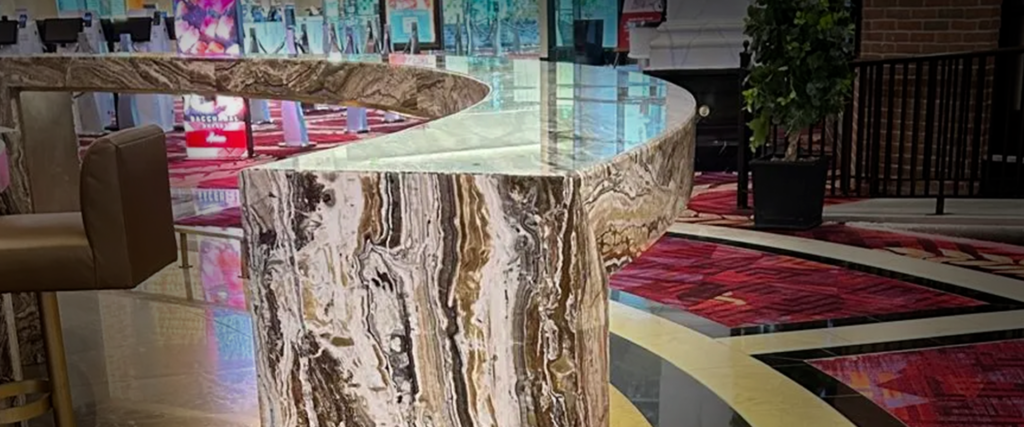
Onyx stone is a sophisticated, translucent natural stone ideal for high-impact design projects. In this guide, we explain its colors, uses, care requirements, and when it makes the most sense for your space.
Natural Stone vs Quartz Countertops. Which One Is Right for Your Project?
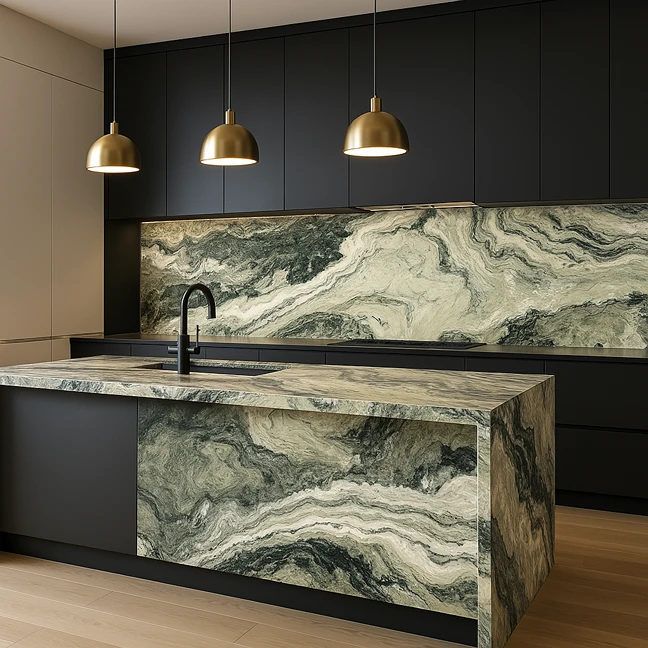
Natural stone and quartz countertops are two of the most popular choices for residential and commercial projects. This article explains the key differences between natural stone and quartz, highlighting appearance, performance, maintenance, and ideal applications. A practical guide to help you choose the right countertop based on lifestyle, design goals, and how the space will be used.
Super Jumbo Quartz Slabs. Uses, Benefits, and Design Advantages
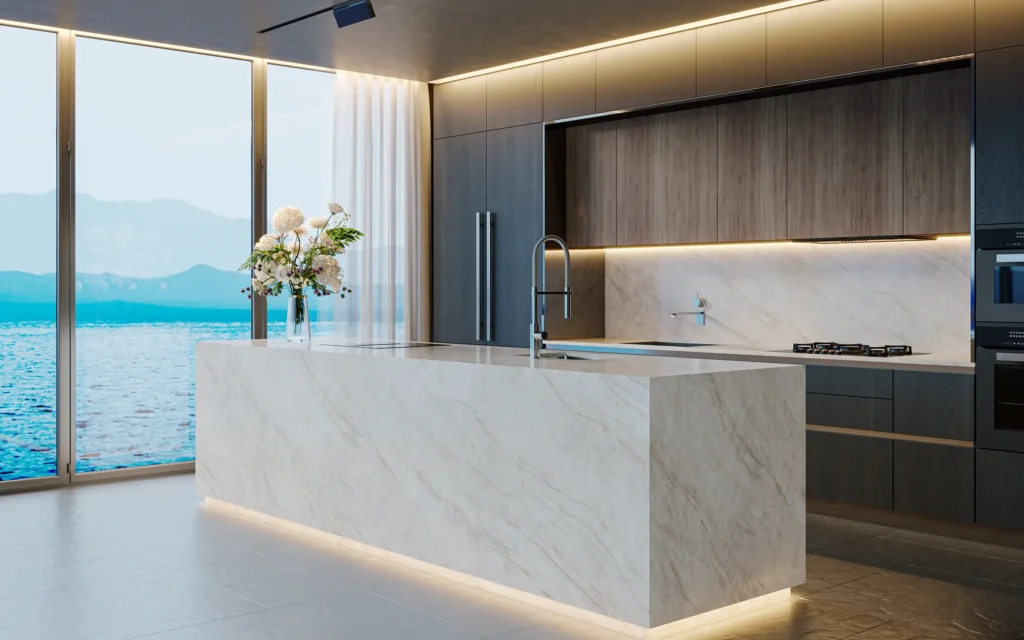
Super Jumbo Quartz slabs provide expanded surface coverage, fewer seams, and greater design flexibility. Learn how these oversized slabs enhance kitchen islands, backsplashes, bathrooms, and commercial spaces with clean, modern aesthetics.
Translucent Quartz Explained: See How It Creates Stunning Backlit Designs
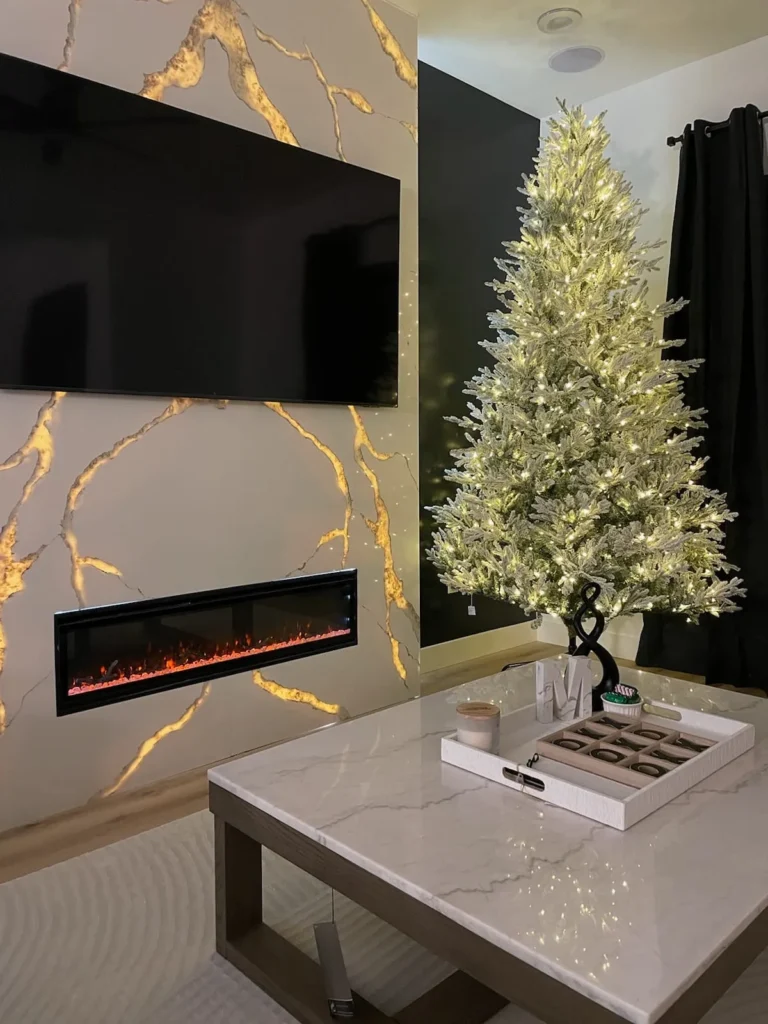
Discover translucent quartz, a modern surface that glows with backlighting.
The Rare, Iconic Viola Marble Designers Love for High-End Luxury Spaces
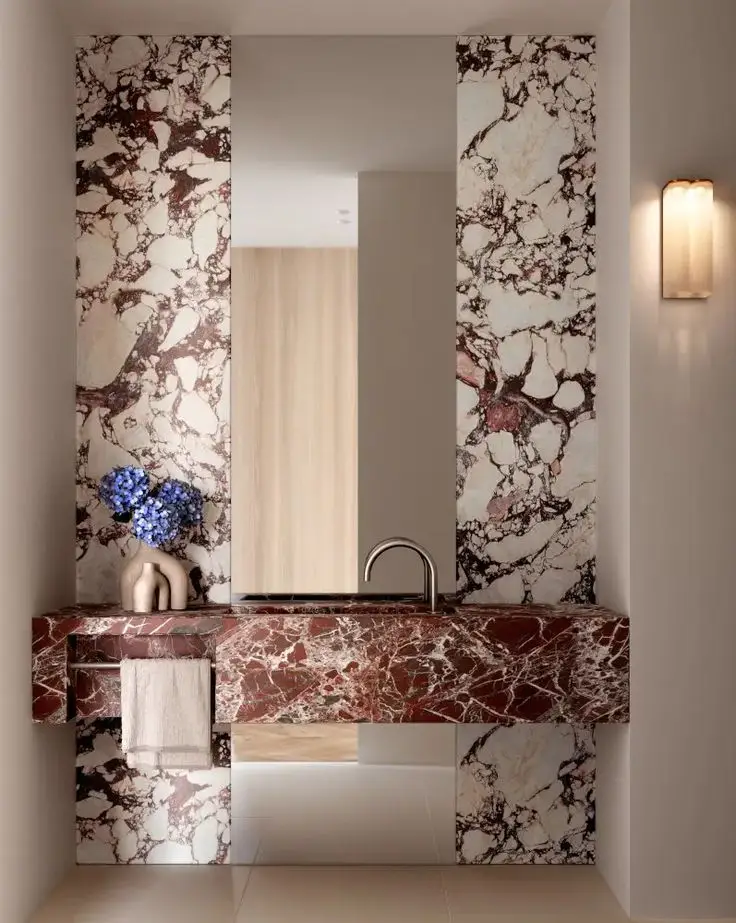
Explore Viola Marble, a rare stone with bold purple veining and artistic movement, loved by designers for luxury spaces.
Honed Quartzite: The Designers’ Choice of the Moment for High-End Interiors
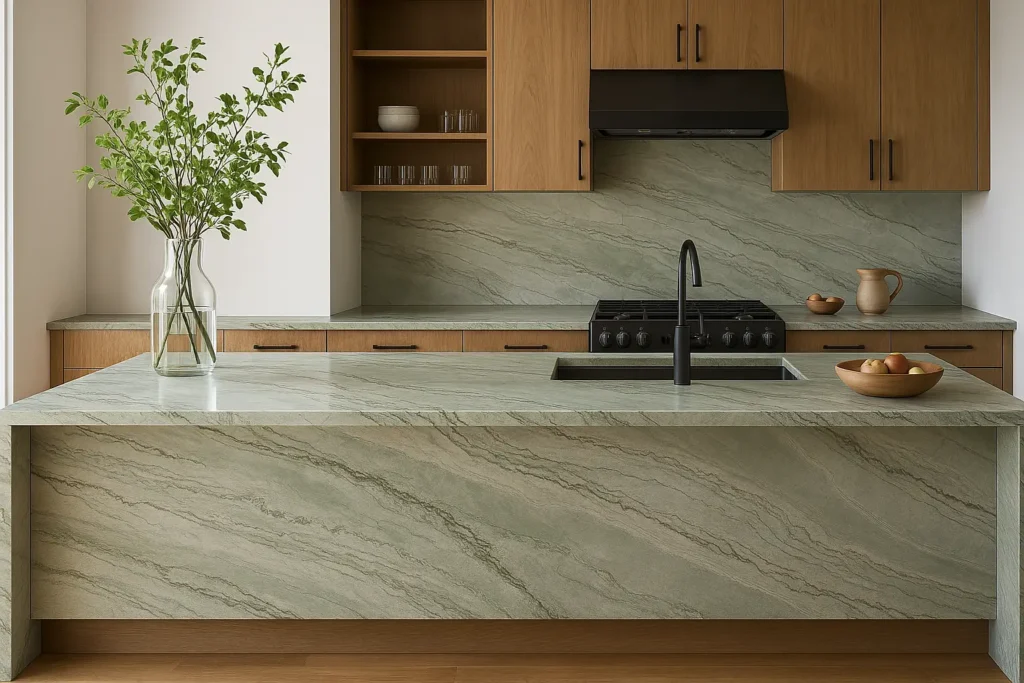
Discover why honed quartzite is trending in luxury homes. A smooth matte finish, modern elegance and timeless appeal. Visit our Phoenix showroom.
How Many Times Do You Choose a Countertop in Your Life?
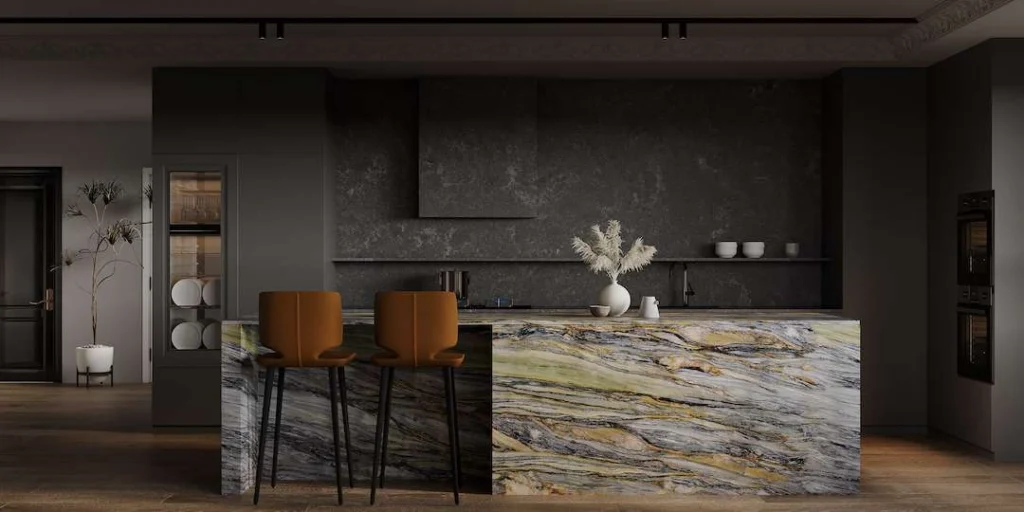
Choosing a countertop is more than design — it’s a once-in-a-lifetime decision that shapes your home and tells your story.
2CM vs 3CM: Which Countertop Thickness Is Right for You?
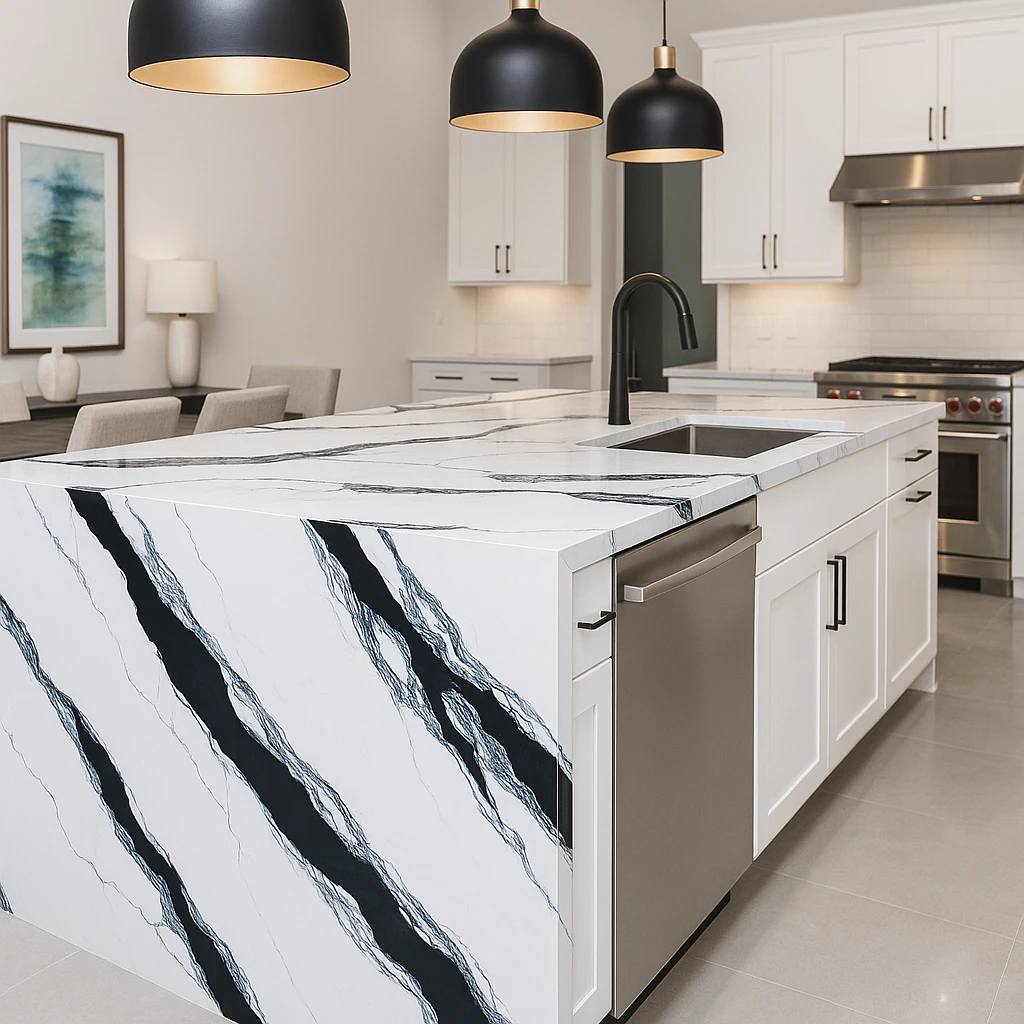
2CM or 3CM? See in this post who is better.